
Root Canal Therapy in Encinitas, CA
Severe tooth pain, lingering sensitivity, swelling, or pressure when biting can be signs that the inside of a tooth is inflamed or infected. Root canal therapy is designed to remove infected or damaged tissue from inside the tooth, clean and seal the root canals, and help preserve the natural tooth when possible.
Encinitas Dental Wellness provides root canal therapy evaluations for patients with tooth pain, deep decay, cracked teeth, dental infection, or symptoms that may involve the nerve inside the tooth. As a molar root specialist, Dr. Richard J. Gill and our dental team focus on careful diagnosis, clear explanations, and treatment planning that supports comfort and long-term oral health.
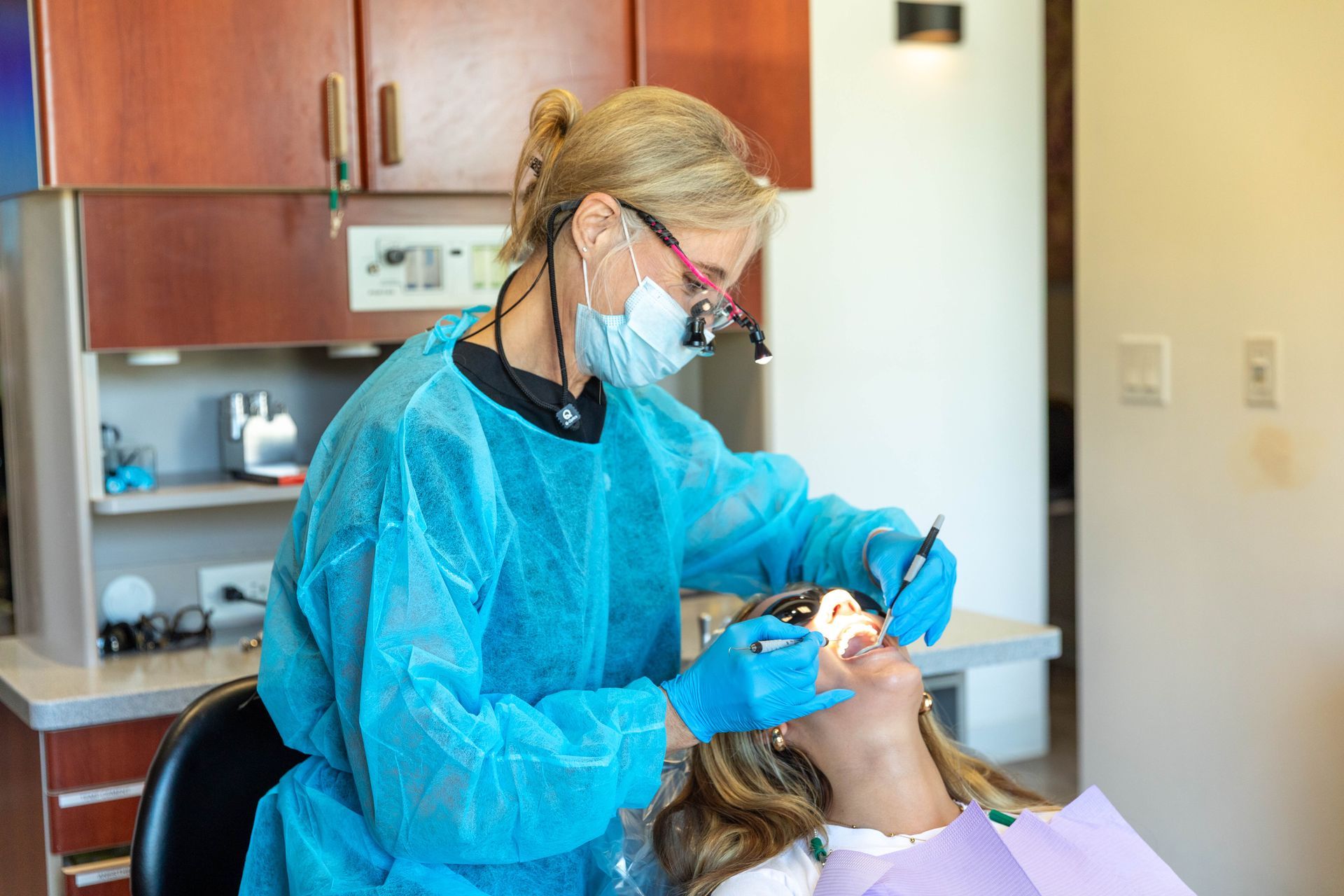
Relieve Tooth Pain and Help Save a Damaged or Infected Tooth
When Tooth Pain Is More Than a Small Cavity
Not every toothache means you need a root canal. But pain that lingers, swelling near the gums, sensitivity that does not go away, or pain when biting can point to a deeper problem inside the tooth. A dental exam and diagnostic imaging are often needed to determine whether the tooth can be restored with a filling, crown, root canal therapy, extraction, or another treatment.
The most important step is not guessing. If a tooth is infected or the pulp inside the tooth is inflamed beyond repair, waiting can allow the problem to worsen. The goal of root canal therapy is to treat the inside of the tooth and help save it instead of removing it when the tooth is restorable.
What Root Canal Therapy Is Designed to Treat
Infected Dental Pulp
The pulp contains nerves and blood vessels inside the tooth. It can become infected because of deep decay, cracks, trauma, or repeated dental work.
Inflamed Tooth Nerve
A tooth nerve can become painfully inflamed when damage reaches the inner portion of the tooth.
Dental Abscess Concerns
Infection can sometimes spread around the root of the tooth and create swelling, pressure, or an abscess.
Severely Damaged Teeth
Root canal therapy may be part of saving a tooth that is deeply decayed, cracked, or damaged but still restorable.
SIGNS YOU MAY NEED A ROOT CANAL
Symptoms That Should Be Evaluated
- Severe toothache or pain that does not go away
- Lingering sensitivity to hot or cold
- Pain when biting or chewing
- Swelling, tenderness, or a bump on the gums near a tooth
- A tooth that has darkened after trauma or injury
- Deep decay or a large cavity near the nerve
- A cracked or broken tooth with pain or sensitivity
- Recurring discomfort around a tooth that already has a large filling or crown
- A dentist has identified infection or inflammation inside the tooth
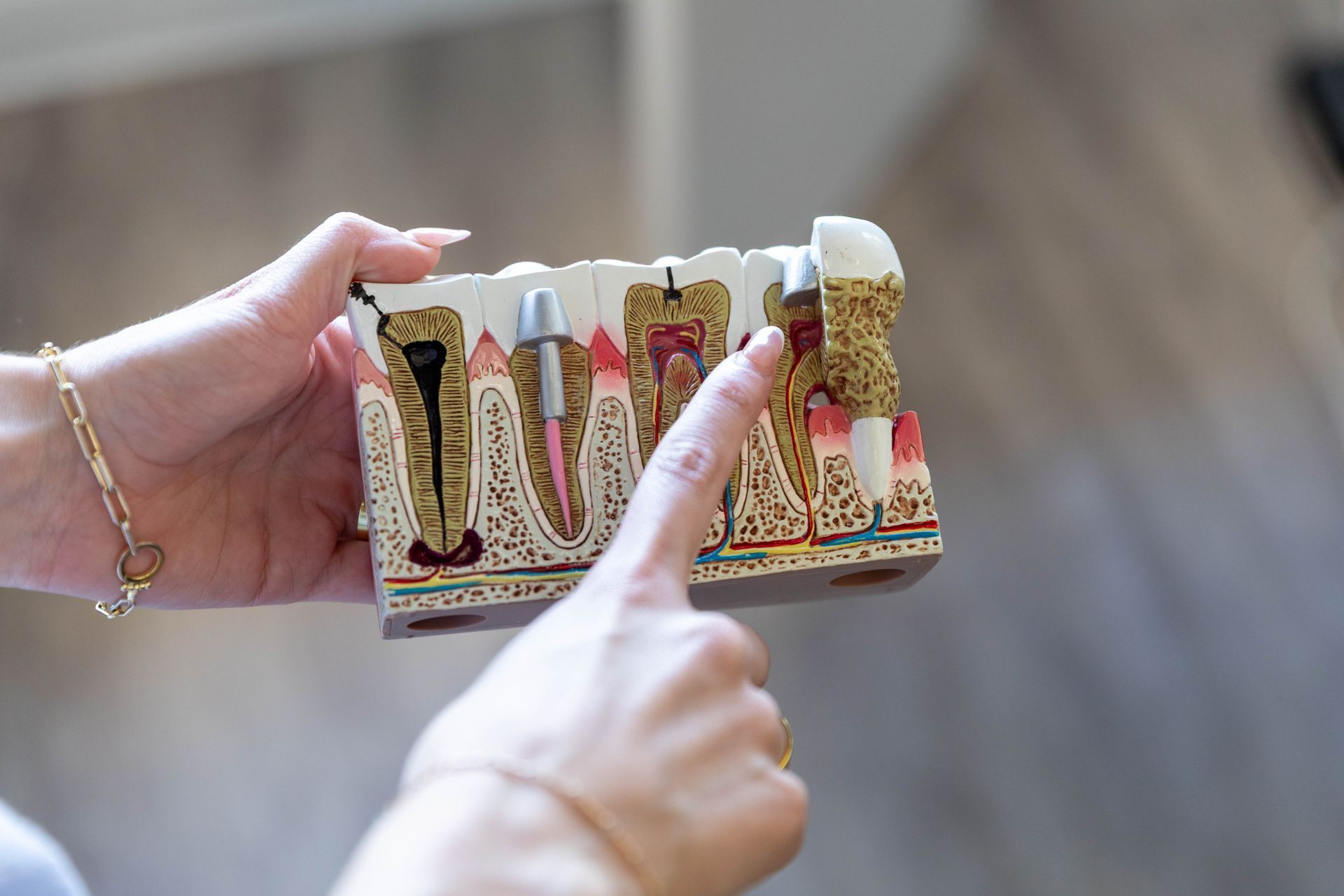
Root Canal Myths vs. What Patients Should Know
Myth: Root canals are only about pain.
Reality: Root canal therapy is meant to treat diseased or damaged tissue inside the tooth and help preserve the natural tooth when possible.
Myth: Extraction is always easier.
Reality: Removing a tooth may create new concerns, including missing-tooth replacement, bite changes, and restorative planning.
Myth: Antibiotics fix the tooth.
Reality: Antibiotics may be used in selected cases, but they do not remove infected tissue from inside the tooth. Dental treatment is often needed.
Myth: A root canal means the tooth is finished.
Reality: Many root canal-treated teeth still need a final crown or filling to protect the tooth from future damage.
TREATMENT DECISION SECTION
Root Canal Therapy vs. Tooth Extraction
Root canal therapy and extraction solve different problems. A root canal is focused on treating the inside of the tooth so the natural tooth can be saved when it is restorable. Extraction removes the tooth when saving it is not predictable or appropriate.
Root Canal Therapy
May be recommended when the tooth can be cleaned, sealed, restored, and kept in function.
Tooth Extraction
May be recommended when the tooth is severely broken, unrestorable, severely infected, or lacks enough support.
Restorative Planning
If a tooth is removed, replacement options such as a bridge, denture, or implant restoration may need to be discussed.
Best Choice
The right option depends on tooth structure, infection, symptoms, bone support, restorability, cost, and long-term goals.
Why a Crown Is Often Needed After Root Canal Therapy
After root canal therapy, the tooth still needs to be restored. Some teeth may be restored with a filling, but many back teeth or structurally weakened teeth need a crown to protect the remaining tooth structure and restore chewing function.
The final restoration is not optional busywork. Without proper restoration, a root canal-treated tooth may be more vulnerable to fracture, leakage, or reinfection. Encinitas Dental Wellness will explain whether a filling, crown, post, or another restoration is appropriate for your tooth.
Why Choose Encinitas Dental Wellness for Root Canal Therapy?
Careful Diagnosis: We evaluate symptoms, tooth structure, bite, X-rays, and restoration needs before recommending root canal therapy.
Clear Treatment Explanations: We explain why the tooth may need root canal treatment and what restoration may be needed afterward.
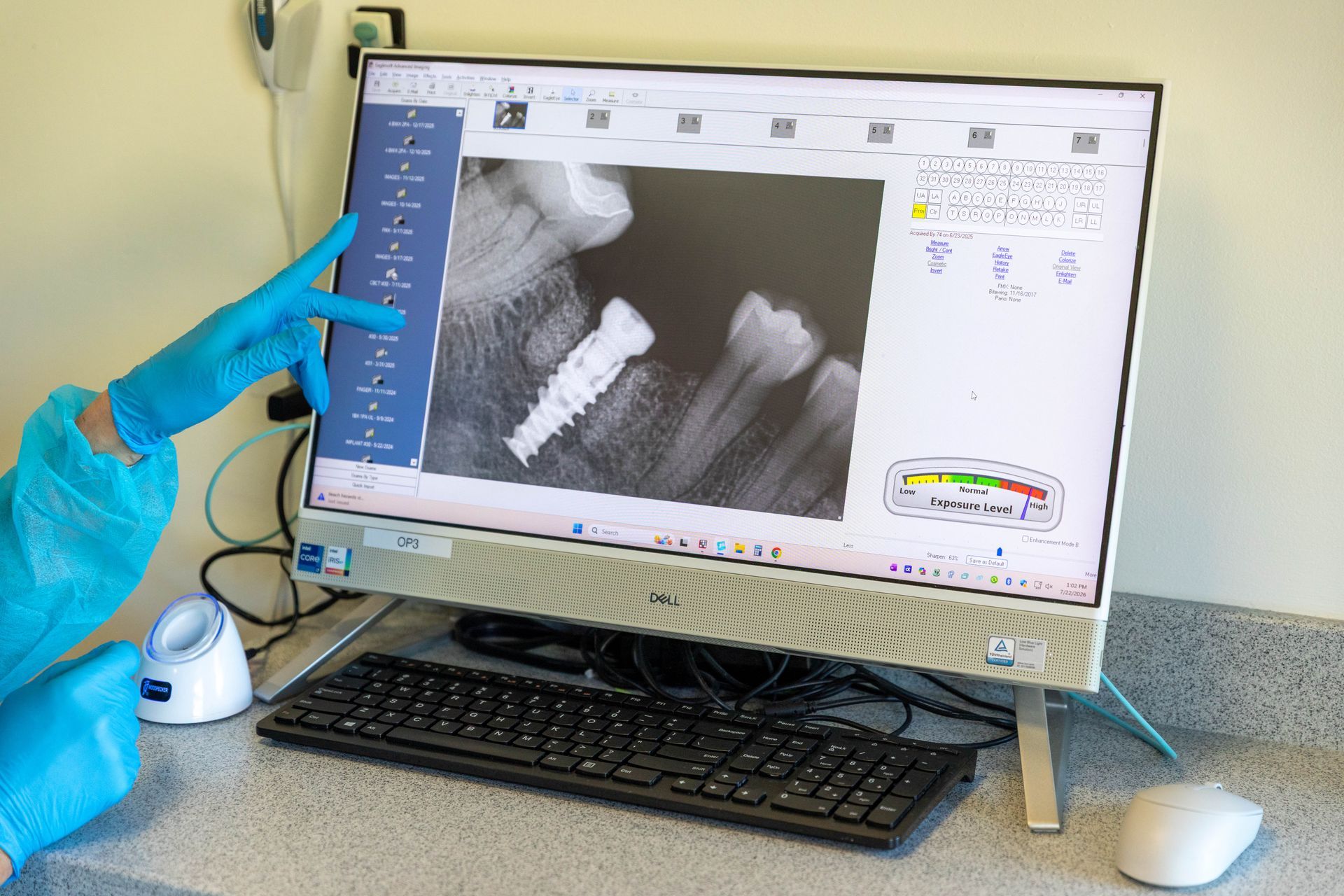
Modern Diagnostic Support: Digital X-rays and close-up imaging may help our team evaluate the tooth and surrounding structures when appropriate.
Restorative Follow-Through: Root canal therapy often needs a final crown or filling, and we plan the full tooth-saving process, not just the procedure itself.
Frequently Asked Questions
What is root canal therapy?
Root canal therapy is a dental treatment that removes infected or inflamed tissue from inside a tooth, cleans and seals the root canals, and helps save the tooth when possible.
How do I know if I need a root canal?
Common signs include severe tooth pain, lingering hot or cold sensitivity, swelling, pain when biting, deep decay, or a cracked tooth. A dental exam and X-rays are needed for diagnosis.
Is root canal therapy painful?
The area is numbed with local anesthesia. Many patients seek treatment because the tooth is already painful; the goal is to treat the source of the problem.
How many visits does a root canal take?
Root canal treatment may take one or more visits depending on the tooth, symptoms, infection, complexity, and restoration needs.
Will I need a crown after a root canal?
Many root canal-treated back teeth or weakened teeth need a crown for protection. Some teeth may be restored with a filling depending on remaining tooth structure.
Can a root canal save my tooth?
Root canal therapy is designed to help save a damaged or infected tooth when the tooth is restorable. Severely broken or unsupported teeth may need extraction instead.
What happens if I wait too long?
Delaying treatment may allow infection, swelling, pain, or tooth damage to worsen. A dental evaluation is the safest way to understand your options.
Can a root canal-treated tooth get infected again?
Yes, reinfection can happen if the restoration leaks, the tooth cracks, decay returns, or the canals do not heal as expected. Follow-up care is important.
Do you offer root canal therapy in Encinitas?
Yes. Encinitas Dental Wellness provides root canal therapy evaluations and treatment planning for appropriate patients in Encinitas and nearby communities.
Root Canal Therapy in Encinitas and Nearby Communities
Encinitas Dental Wellness provides root canal therapy evaluations and restorative dental care for patients in Encinitas and nearby North County communities, including Cardiff-by-the-Sea, Leucadia, Solana Beach, Carlsbad, Rancho Santa Fe, and surrounding areas.